Glass vs Plastic Perfume Bottles: Pros, Cons and Sustainability
- Share
- publisher
- GPBottles
- Issue Time
- Sep 14,2026
Summary
Glass is the default for niche and luxury perfume because it signals quality, protects the fragrance and is recyclable; plastic or PCR makes sense for travel formats and lighter caps. The right call depends on where the bottle sits in your range.
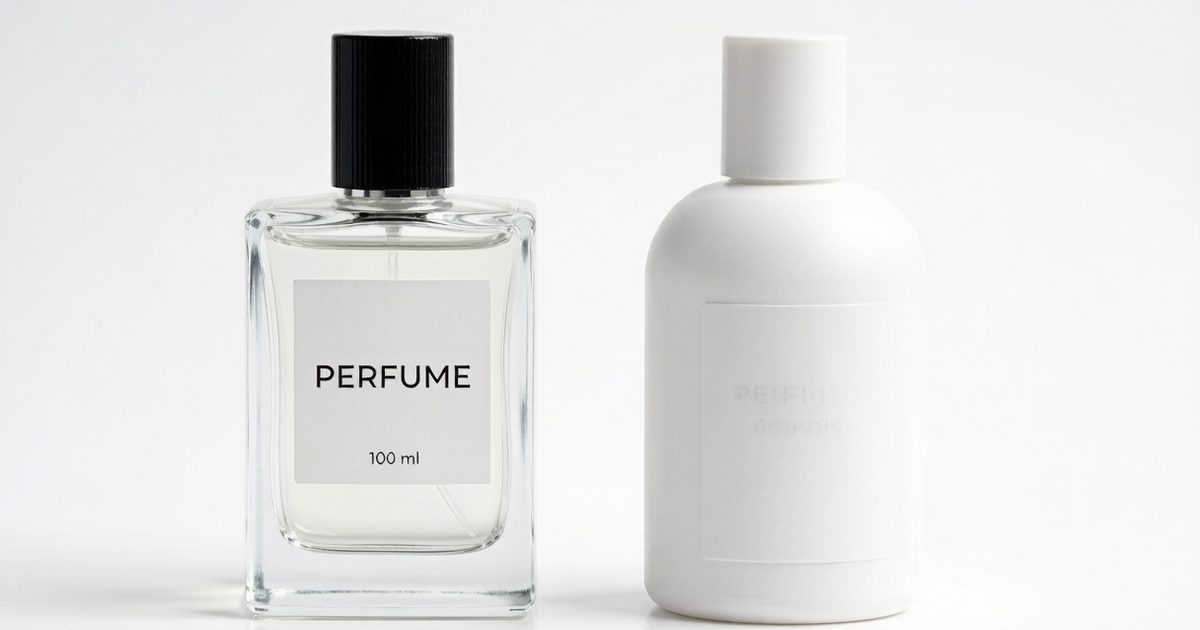
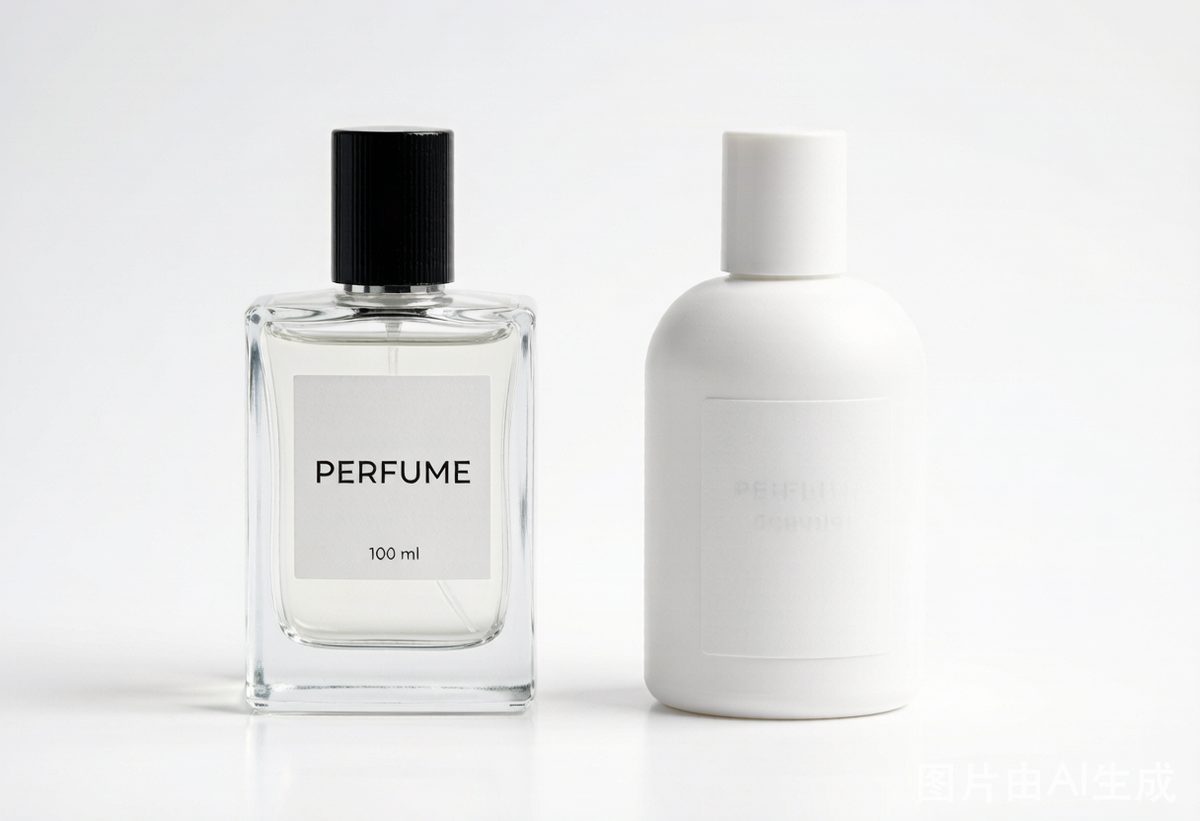
Choosing between glass and plastic for a perfume bottle is rarely a simple either-or. Glass remains the default for niche, luxury and prestige fragrance because it signals quality, protects the formula and can be recycled indefinitely. Plastic — especially PET and post-consumer recycled (PCR) resin — earns its place in travel formats, lightweight caps and ship-safe minis. The right call depends on where the bottle sits in your range, how far it travels and what your customer expects to hold.
The material science behind the choice
Glass perfume bottles are made from silica sand, soda ash and limestone melted together at roughly 1,500 °C (2,700 °F). The result is a non-porous, chemically inert container that does not react with the fragrance inside. Plastic bottles, by contrast, are most often PET, PP or HDPE, formed from petrochemical feedstocks at far lower temperatures of around 200–280 °C. That lower energy input is plastic’s clearest advantage at the production stage.
The trade-off appears at the molecular level. Glass is impermeable, so oxygen and moisture stay out and volatile fragrance compounds stay in. Plastic is semi-permeable: gases diffuse slowly through the polymer wall, and some formulations can interact with the material over months of storage. That single difference drives almost every downstream decision in bottle selection.
| Property | Glass | Plastic (PET / PP / HDPE) |
|---|---|---|
| Chemical reactivity | Inert; preserves the formula | May interact with some oils |
| Gas & moisture barrier | Impermeable, airtight | Semi-permeable |
| Scent absorption | None; easy to re-clean | Can retain fragrance molecules |
| UV resistance | High (amber / frosted options) | Prone to yellowing |
| Temperature stability | High | Lower; can warp or leach |
Fragrance protection: why glass wins on shelf life
A fragrance is a blend of volatile aromatic compounds dissolved in alcohol or oil. Expose it to oxygen and the top notes oxidize first — which is why a perfume can smell flat or “off” after months in the wrong bottle. Glass’s airtight, non-porous barrier slows this degradation dramatically, keeping the scent profile stable for years. Plastic’s semi-permeable wall allows a slow, constant gas exchange that can shift the fragrance over a long shelf life, and plastic can absorb and retain scent molecules, which makes reuse and refill trickier.
Rule of thumb: for EDP, extrait and any fragrance intended to sit on a shelf — or in a customer’s collection — for more than a few months, glass is the safer default.
Premium perception and brand signaling
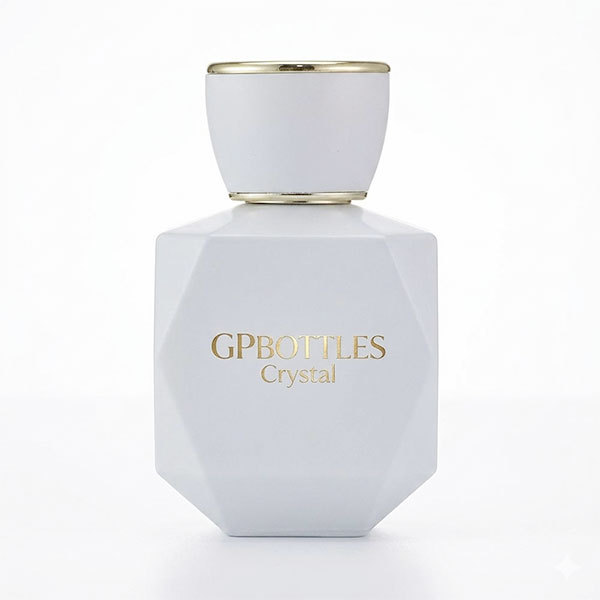
Packaging is the first physical signal a customer receives before a single note is smelled. Glass’s weight, clarity and cool-to-the-touch feel communicate craft and permanence; it is the material of the luxury aisle. Plastic reads functional and lightweight, which is precisely why it struggles to hold a premium position on a shelf. A 2023 Nielsen study found that 68% of consumers are willing to pay more for sustainable packaging — and glass lets a brand convert that willingness into higher perceived value.
Weight, breakage and shipping economics
Glass can weigh up to ten times more than an equivalent plastic bottle, and it breaks. Both facts push up freight, protective packaging and insurance — and every broken bottle is wasted energy and material. Plastic’s light weight and shatter resistance cut shipping cost and breakage loss, which is why it dominates mass-market and travel formats. For a brand shipping containers internationally, the weight difference alone can be the deciding factor.
Glass
Heavier and fragile → higher freight, more protective packaging and a real breakage-loss rate in transit.
Plastic
Lighter and shatter-resistant → lower freight, simpler packing and far fewer damaged units on arrival.
Sustainability: a more nuanced picture than you think
Glass is endlessly recyclable without loss of quality — it can be melted and re-formed indefinitely, and recycled glass (cullet) melts at a lower temperature, cutting energy use. Europe leads the world here: the EU average glass recycling rate is around 76–80%, and Italy was projected to reach about 82% in 2024, while the United States lags at roughly 33%. But glass production is energy-intensive — melting raw material at 1,500 °C emits significant CO2 — so the environmental benefit is realized mainly when the bottle is actually collected, reused or recycled.
Plastic’s story is inverted. Production uses less energy and emits less CO2 per bottle than virgin glass, and light weight cuts transport emissions. But global plastic recycling sits around 9%, most plastic is downcycled rather than truly recycled, and plastic that escapes collection degrades into microplastics that persist for centuries. Neither material is automatically “green” — the honest answer depends on the full lifecycle, including whether the bottle is refilled or reused.
| Metric | Glass | Plastic |
|---|---|---|
| Recycling rate (EU) | ~76–80% | ~40% (PET) |
| Recycling rate (US / global) | ~33% (US) | ~9% (global) |
| Recyclability | Infinite, no quality loss | Limited; downcycles |
| Production CO2 | Higher (high-temp melting) | Lower per bottle |
| End of life | Inert; does not degrade | Breaks into microplastics |
When plastic and PCR make sense
Plastic is not the enemy of a good package — it is the right tool for specific jobs. PET and PP shine in travel sprays, discovery sets and promotional minis where weight, cost and breakage risk dominate. PCR (post-consumer recycled) resin is the bridge: it reduces virgin-plastic demand while keeping the glass body and premium feel of the hero bottle. Many brands now pair a glass bottle with a PCR or aluminum cap to cut the closure’s footprint without touching the hero material.
- Travel and discovery sizes where breakage risk is high
- Caps and collars where light weight and cost matter
- Ship-safe mini formats for samples and gift sets
- Entry-level lines that need to keep the retail price competitive
A practical decision guide for your range
There is no universal winner, only the right match. Use the table below as a starting point, then weigh your own logistics, price point and brand story.
| Scenario | Recommended material | Why |
|---|---|---|
| Luxury / niche EDP or extrait | Glass | Preserves scent, signals premium |
| Travel spray / discovery set | PET or PCR | Light, shatter-proof, low cost |
| Caps and collars | PCR plastic or aluminum | Cuts weight and virgin plastic |
| High-volume international shipping | Lightweight glass or PET | Balances freight and breakage |
| Refillable / long-life format | Glass | Durable, re-cleanable, reusable |
GPBottles’ glass-first, lower-footprint approach
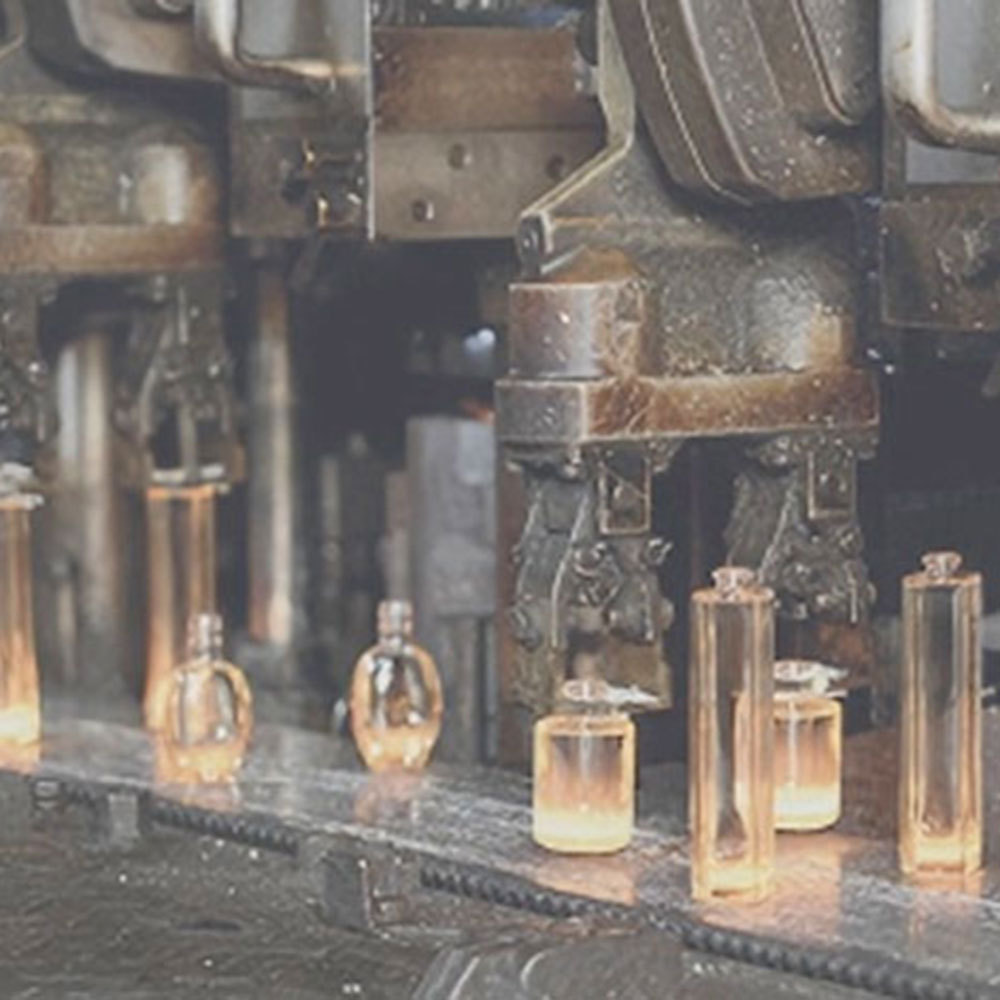
At GPBottles, we build perfume packaging glass-first, because that is where most fragrance brands ultimately land for their hero product. We pair the glass body with lower-footprint closures — aluminum or PCR plastic caps — and we regularly prototype refillable concepts for brands that want to sell the bottle once and the fragrance many times. Every bottle ships REACH-compliant, with decoration options from frosting and color coating to hot stamping, so the sustainable choice never has to look like a compromise.
Frequently asked questions
Is glass always more sustainable than plastic for perfume bottles?
Not automatically. Glass is infinitely recyclable but energy-intensive to produce, while plastic is cheaper and lighter to make but is recycled at very low rates. The greener choice depends on collection systems, reuse and refill, and transport distance.
Does plastic change the smell of perfume over time?
Plastic is semi-permeable and can absorb scent molecules, so over months it may allow slight oxidation or retain odors. Glass is inert and airtight, which keeps the fragrance stable for longer.
Can a plastic bottle look premium?
It can look clean and modern, but it rarely reads as luxury. For premium positioning, glass — often with weight, clarity and metal or PCR closures — is the safer bet.
What is PCR plastic and why is it used?
Post-consumer recycled resin is plastic re-made from collected, reprocessed material. It lowers virgin-plastic demand and works well for caps and travel formats while keeping the main bottle glass.
The glass-versus-plastic decision is really a positioning decision. Glass protects the fragrance, carries a premium story and recycles indefinitely; plastic and PCR cut weight, cost and breakage risk for formats that need to travel light. The strongest packages combine both — a glass hero bottle with a lower-footprint closure. If you are weighing materials for your next launch, talk to GPBottles about a glass-first package built around your range and your budget.