Perfume Bottle Decoration Techniques: Coating, Printing, Hot Stamping Explained
- Share
- publisher
- GPBottles
- Issue Time
- Oct 5,2026
Summary
Decoration is what turns plain glass into a brand object. This guide compares spray coating, silk-screen and pad printing, hot-foil stamping, frosting, metallization and laser engraving — with costs, MOQ and durability — so you can layer the right techniques into a cohesive, premium look.
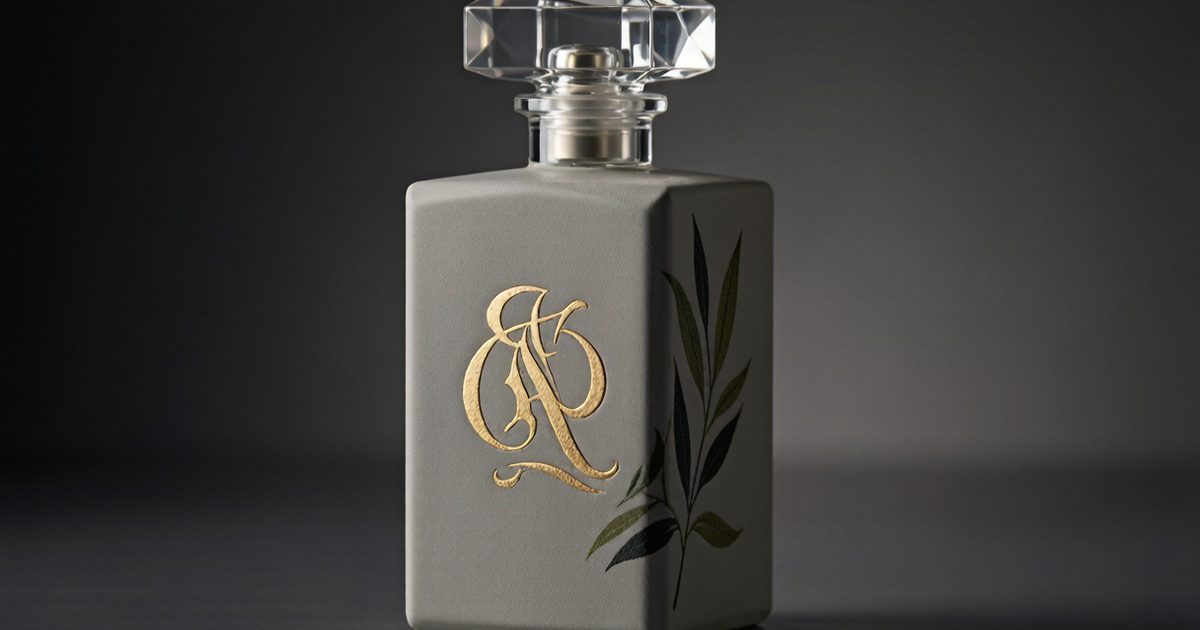
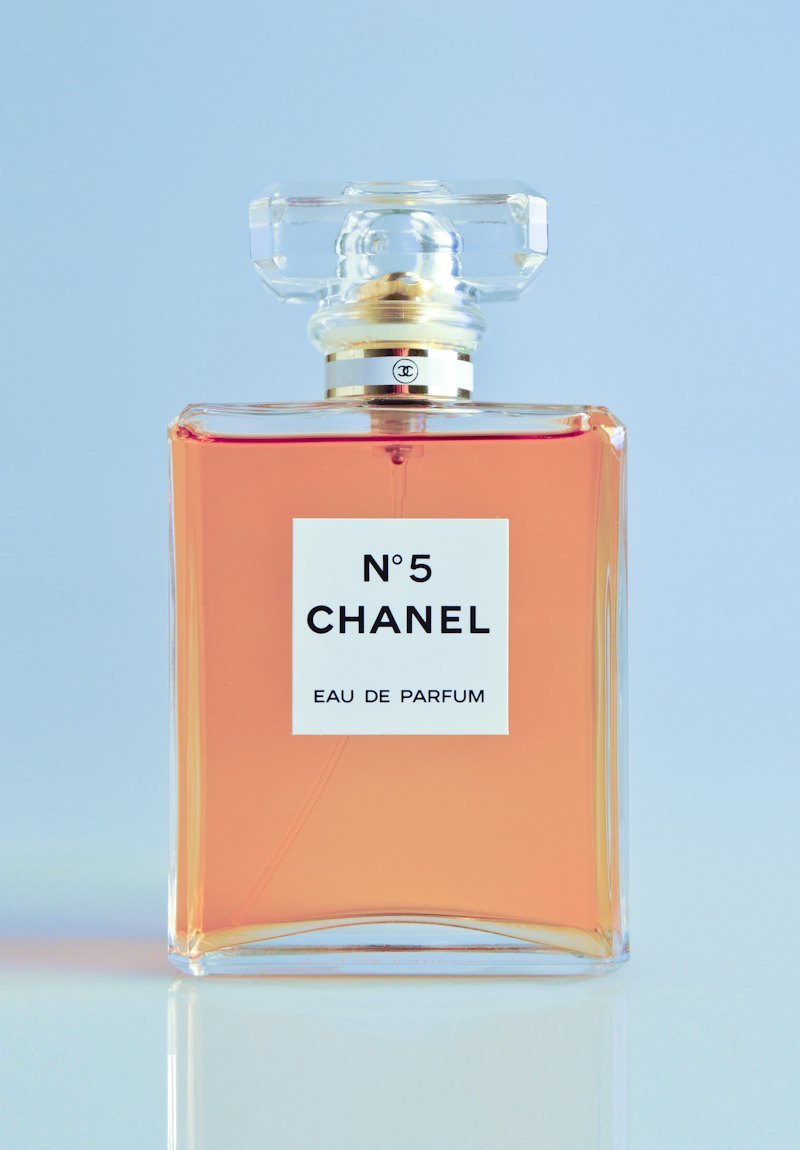
Every perfume bottle starts as the same plain glass. What separates a $20 fragrance from a $200 one is rarely the juice inside — it is what you do to the surface. The most memorable niche brands layer several decoration techniques into one cohesive, premium look.
Spray coating: full-body color, gradient and soft-touch
Spray coating (also called color lacquer) wraps the whole bottle in color, hiding or tinting the glass behind a matte, gloss, gradient or soft-touch surface. It is the fastest way to own a color story — a clear flint bottle can become matte black, translucent amber, frosted blue or a metallic silver in a single process.
Two things matter more than the color. First, adhesion: a well-primed coating should pass a cross-hatch tape test before filling, because a coating that flakes after the customer opens the box is worse than none. Second, real-world durability: a bottle in a humid bathroom or an ice bucket needs a different system than one on a vanity. Always confirm color and scratch resistance on a physical sample, not a render.
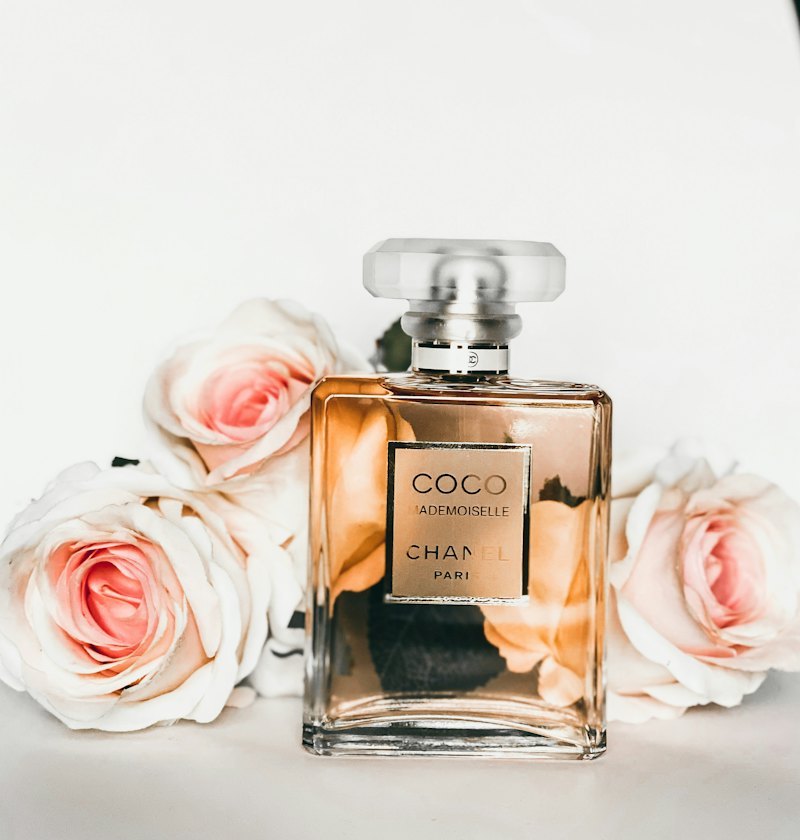
Silk-screen vs pad printing: two ways to print a logo
When your brand mark needs to be printed directly onto the glass, you have two workhorse options — and they are not interchangeable.
Silk-screen printing
Ink is pushed through a mesh stencil onto flat or gently curved panels. With ceramic enamel inks fused in a lehr (annealing oven) pass at around 600°C, the print becomes a glass-ceramic layer that survives dishwashing, alcohol, citrus oils and most essential oils. It holds fine detail down to roughly 0.15 mm line weight on a 200-mesh screen, and multi-color work is routine up to about four colors.
Pad printing
A soft silicone pad lifts ink from an etched plate and stamps it onto surfaces a screen cannot reach — bottle shoulders, necks, recesses and sharp curves. It is the precision choice for small logos and fine text on irregular shapes, though it is typically limited to one or two colors and slower than screen printing on long runs.
As a rule of thumb: flat or straight walls = silk-screen; curved or recessed areas = pad printing. Many designs use both.
Hot-foil stamping: the metallic accent that reads luxury
Hot-foil stamping presses a metallic or pigmented foil onto the glass using a heated die — typically around 200°C — transferring a thin layer of gold, silver, rose gold, copper or holographic foil in a single pass. Nothing says "premium" faster than a metallic wordmark catching the light.
It is a decoration, not a workhorse. Foil handles normal handling but will not survive heavy abrasion or aggressive solvents the way a fired silk-screen print will. Use it where it earns its place: the brand wordmark, a tagline, a crest or a decorative border. Specify the foil grade up front — reputable sources include Kurz, Crown and API — and test fine lines, because very thin artwork can break on a curved surface.
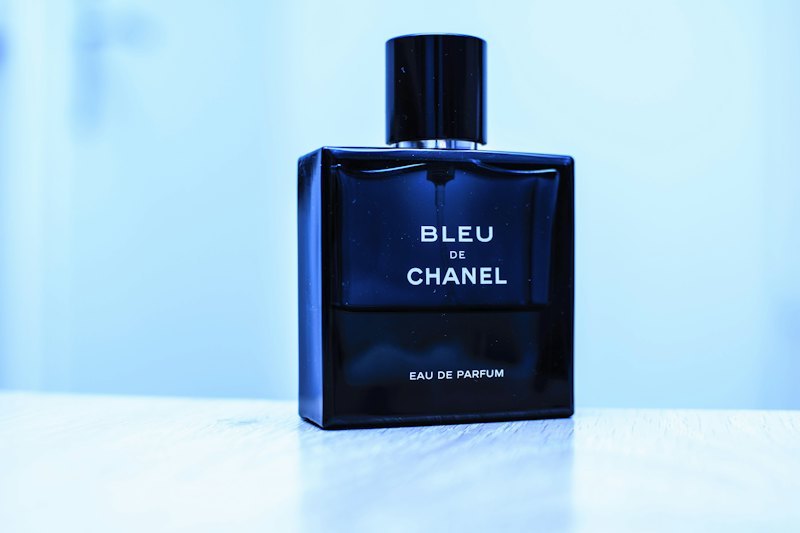
Frosting, acid etching and sandblasting: the matte premium
Frosting gives glass a soft, translucent, matte surface that diffuses light and hides what is inside — a favorite for minimalist fragrance, skincare and premium spirits. It is also the only decoration family that physically changes the glass rather than sitting on top of it.
There are two main routes. Acid etching dips the bottle in a chemical bath (traditionally a hydrofluoric acid solution) for a perfectly smooth, permanent matte finish. Sandblasting blasts fine abrasive media at the surface for a rougher, more "icy" texture — and, with a stencil, it can create precise frosted patterns. Partial frosting needs careful masking, so confirm edge sharpness on a sample. Frosted plus a single-color logo looks clean; frosted plus gold foil reads more opulent.
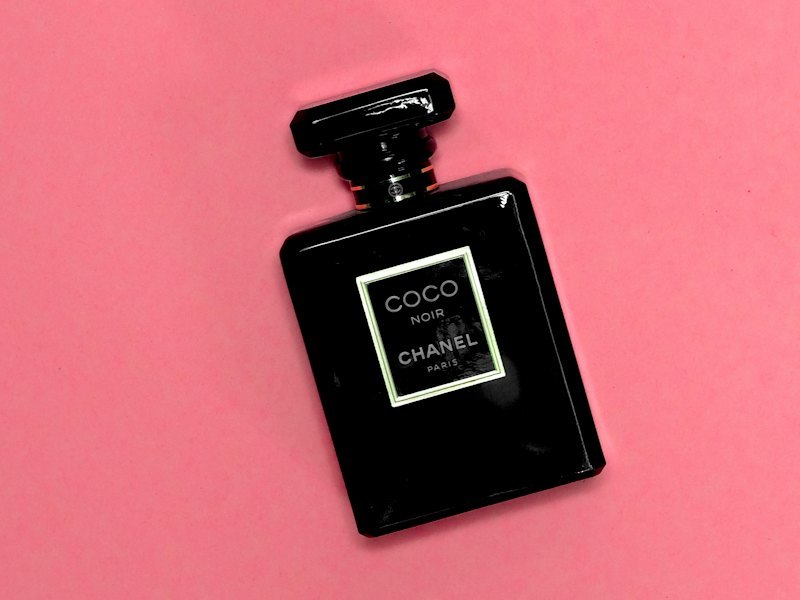
Metallization and electroplating: mirror finishes
For a full mirror effect, vacuum metallization heats metal particles in a vacuum chamber and deposits a thin, uniform metallic layer — aluminum, chrome, gold or rose gold — onto the glass, producing a flawless reflective finish that also blocks light. Electroplating uses an electric current to deposit a thicker, more durable metal layer and is usually reserved for caps and collars.
Both deliver huge visual impact but are the most delicate metallic finishes: they scratch more easily, cost more, and in some regions face environmental restrictions. Treat them as statement pieces for limited editions, not everyday stock.
Laser engraving and in-mold embossing: permanent, inkless marks
When the mark must never wear off, two inkless routes stand out. Laser engraving uses a focused beam to micro-etch text, logos or serial numbers directly into the glass — permanent, tamper-resistant and ideal for small batches and personalization. In-mold embossing (and debossing) carves the logo into the bottle mold itself, so every unit is born with a raised or sunken mark. It is the most premium and permanent option, but it only pays off at higher volumes because changing the mold is a real investment.
Combining techniques — and what it costs
The most distinctive bottles are never one process. They are a recipe. A classic premium build is a matte or black spray coating as the base, a gold hot-foil logo on the front panel, and a frosted band sandblasted around the shoulder. Combining three techniques in this way typically adds roughly US$1.50 to US$4.00 per unit — easily absorbed by a fragrance retailing above US$80.
| Technique | Best for | Durability | Typical MOQ | Indicative cost / unit |
|---|---|---|---|---|
| Silk-screen printing | Logos, text, fine line art | High (fired) | 1,000–5,000 | US$0.15–0.60 |
| Pad printing | Curves, necks, small details | Good | 1,000–3,000 | US$0.10–0.40 |
| Hot-foil stamping | Metallic logo accents | Medium-high | 2,000–10,000 | US$0.20–0.80 |
| Spray coating | Full-body color, soft-touch | Medium | 2,000–8,000 | US$0.40–1.80 |
| Frosting / sandblasting | Matte, tactile surface | Permanent | 500–3,000 | US$0.30–1.20 |
| Laser engraving | Permanent fine marks | Permanent | 500–2,000 | US$0.50–2.00 |
| Metallization / electroplating | Mirror, statement finishes | Medium (delicate) | 3,000–10,000 | US$0.80–3.50 |
Indicative ranges compiled from common glass-packaging supplier figures; final pricing depends on bottle shape, colors and run size. Always quote against a physical sample.
How to choose the right decoration for your run
After producing decorated bottles for brands across the niche and indie fragrance space, here is the checklist we walk every customer through before they commit.
- Match durability to the product. Alcohol-heavy or essential-oil formulas demand a fired silk-screen print and a coating that passes adhesion testing.
- Match the technique to the surface. Flat panels take silk-screen; curves and necks take pad printing; full-body color takes spray coating.
- Let the foil accent, not carry. Use hot-foil stamping for the wordmark, and let printing do the informational heavy lifting.
- Mind the MOQ. Frosting, laser and pad printing open the door at a few hundred units; full custom molds and heavy metallization want thousands.
- Always sample. Approve a physical pre-production sample for color, adhesion and edge sharpness — renders never tell the whole story.
Frequently asked questions
What is the most durable perfume bottle decoration?
A fired silk-screen print is the most durable applied mark — the ceramic ink fuses into the glass and resists alcohol, oils and abrasion. For a permanent, inkless mark, choose laser engraving or in-mold embossing.
Can I combine decoration techniques on one bottle?
Yes, and most premium bottles do. A common recipe is matte spray coating + hot-foil logo + a frosted accent band, which usually adds US$1.50–4.00 per unit.
What is the minimum order quantity for custom decoration?
It varies by technique. Frosting, laser engraving and pad printing can start around 500 units, while spray coating, hot stamping and metallization typically start in the low thousands. Full custom molds have the highest threshold.
Does hot stamping wear off?
Hot-foil stamping is decorative rather than structural. It survives normal handling but not heavy abrasion or harsh solvents, so keep it on the logo and accent areas.
GPBottles offers the full decoration stack — spray coating, silk-screen and pad printing, hot-foil stamping, frosting, metallization and laser engraving — on low-MOQ, REACH-compliant glass. Talk to us about a decoration plan for your bottle, or browse our bottle ranges to see what a finish looks like on a real product.