What Is a Custom Perfume Bottle? A Complete Definition for Niche Brands
- Share
- publisher
- GPBottles
- Issue Time
- Sep 9,2026
Summary
A custom perfume bottle is engineered to your brand spec - shape, capacity, neck finish, decoration and closure - rather than pulled from a generic stock catalog. This guide compares stock, semi-custom and private mould routes, with real costs, MOQs and lead times.
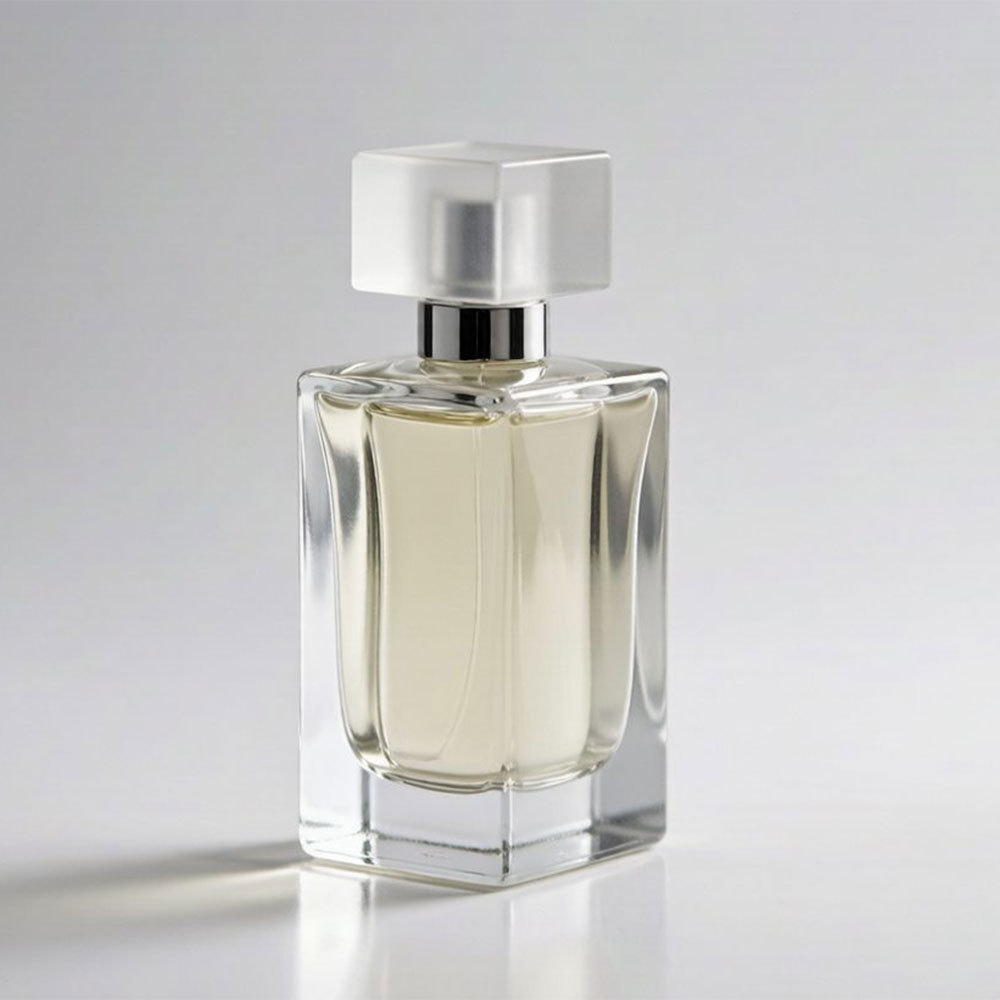
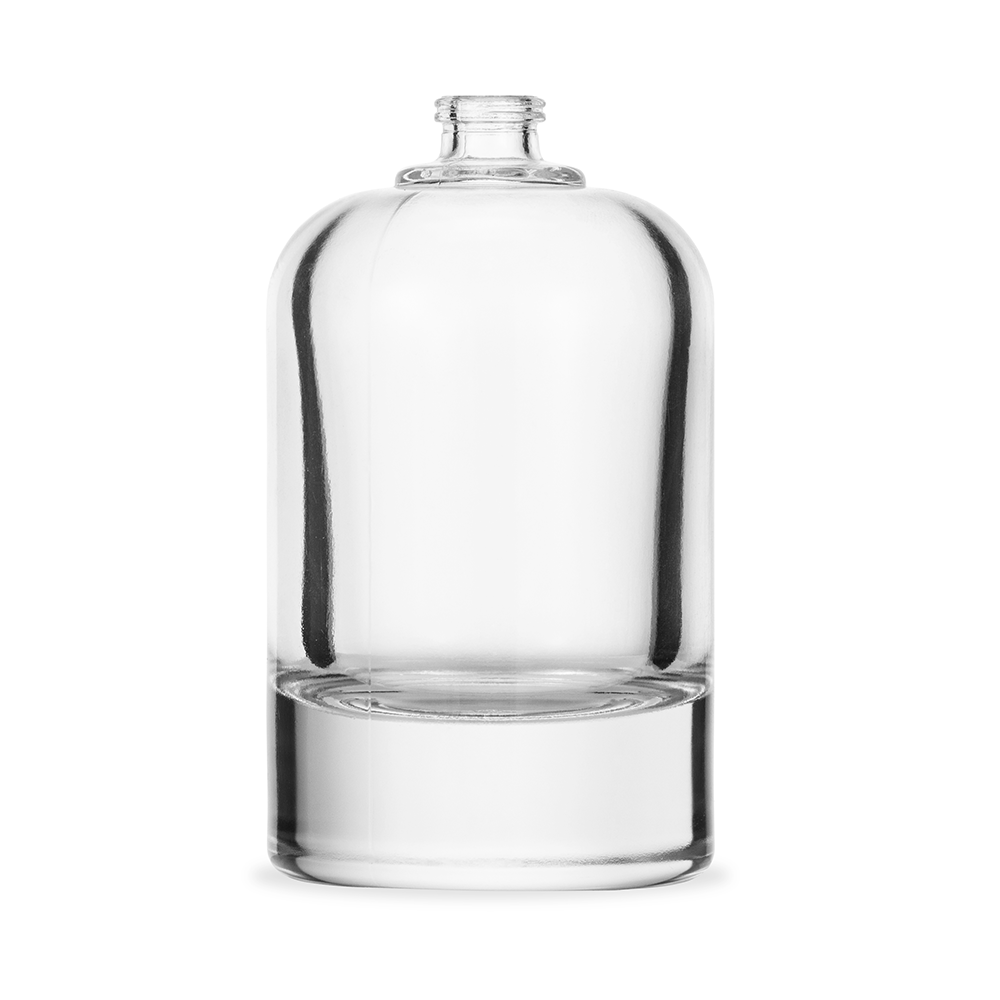
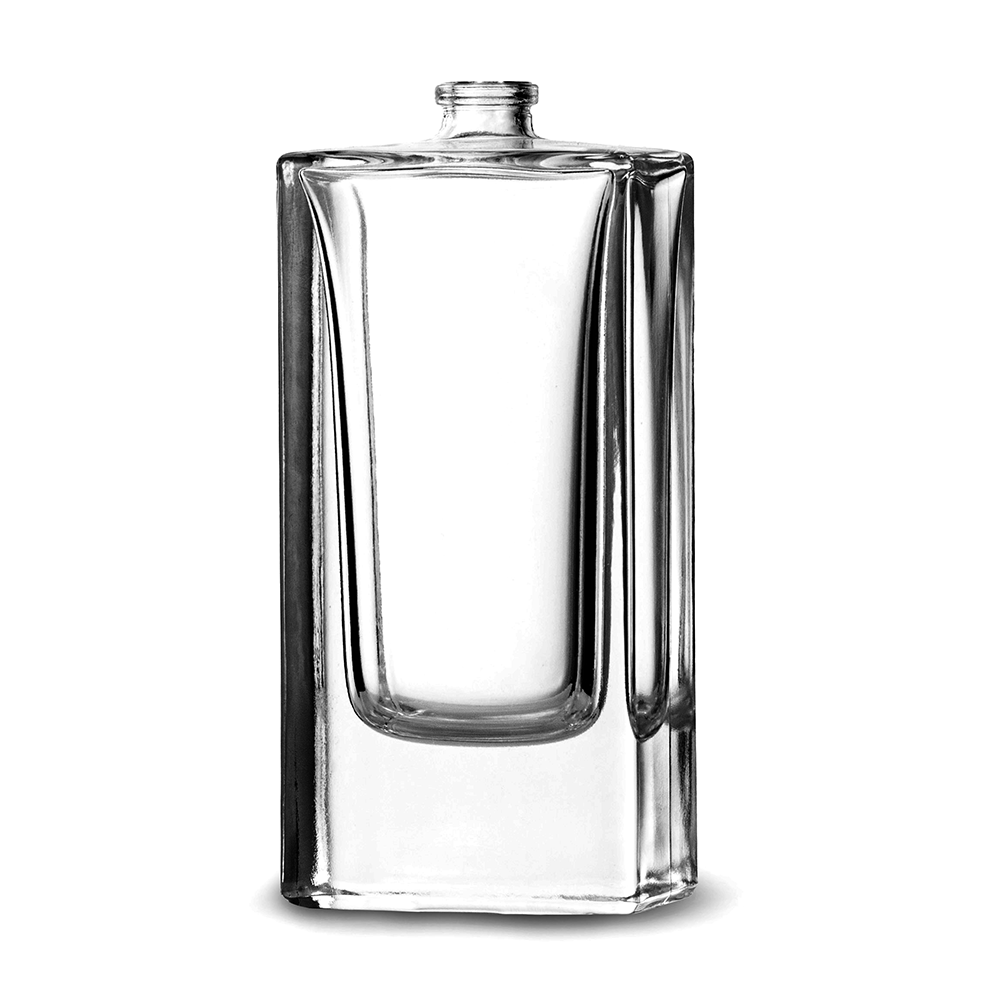
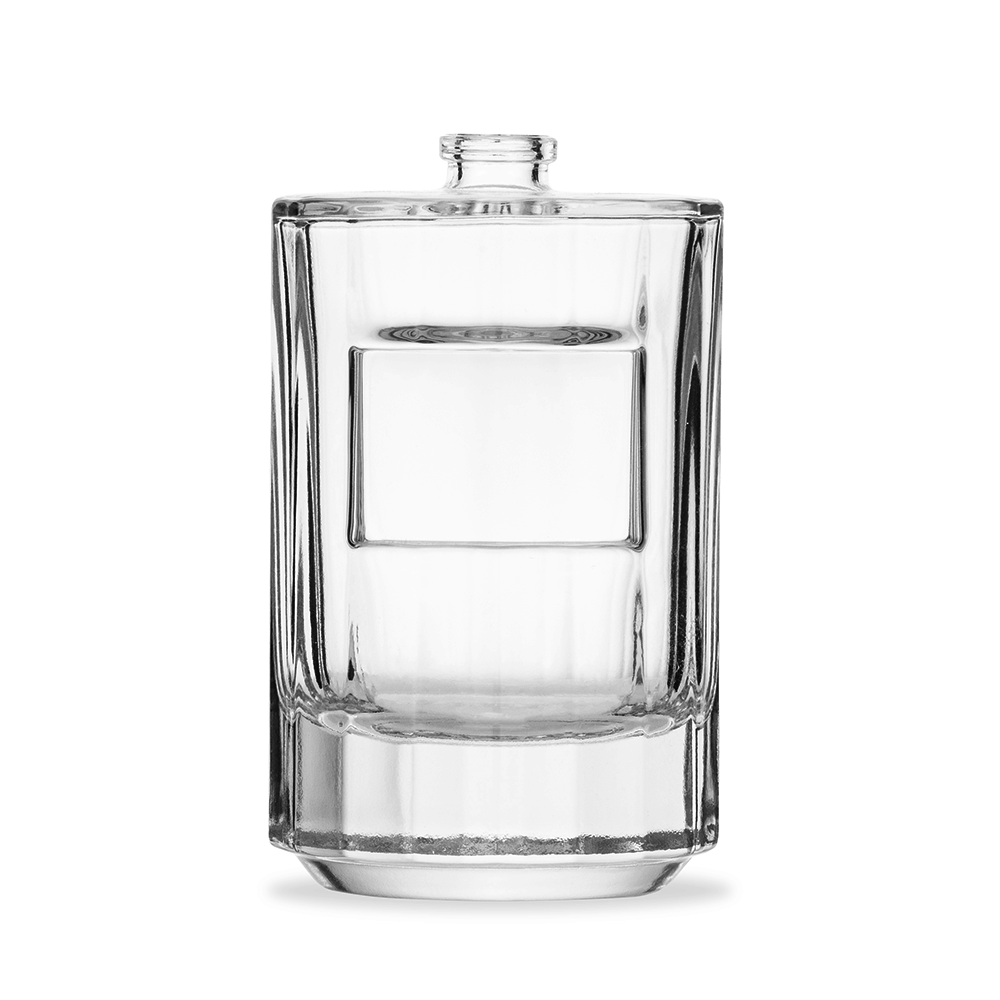
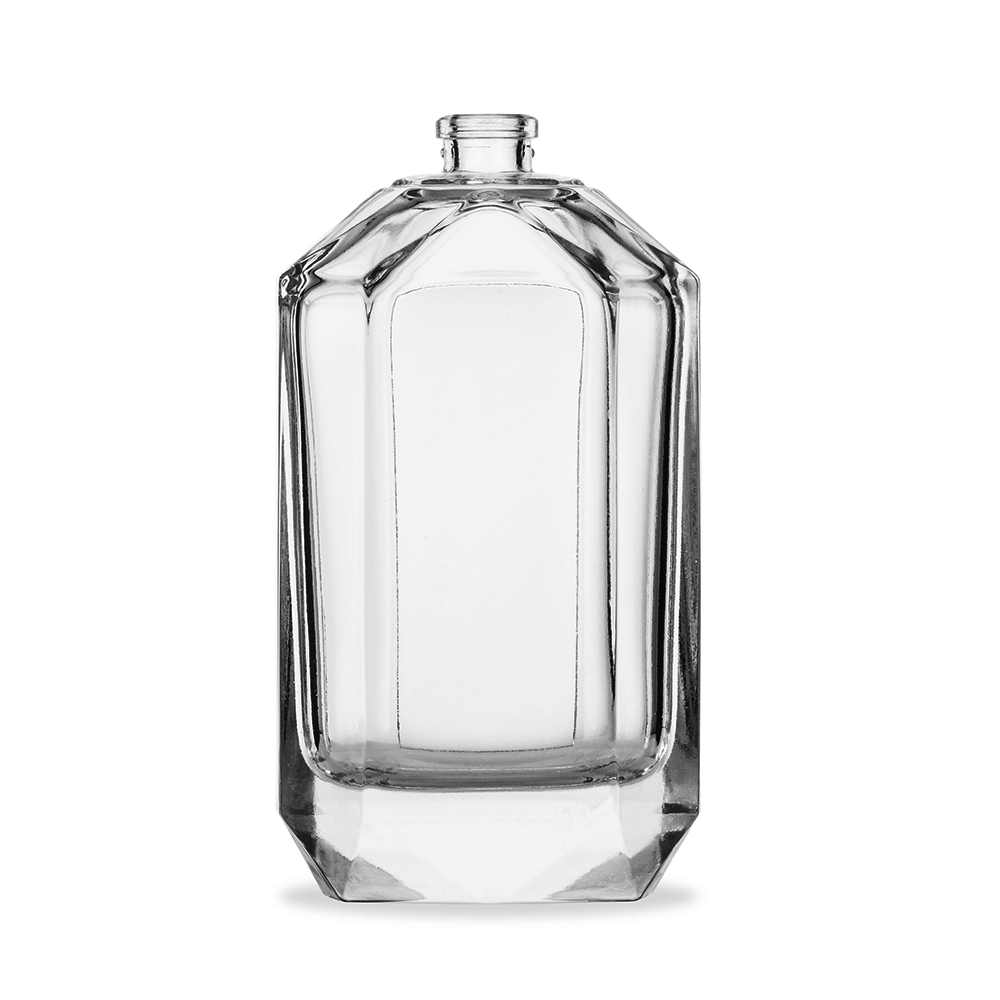
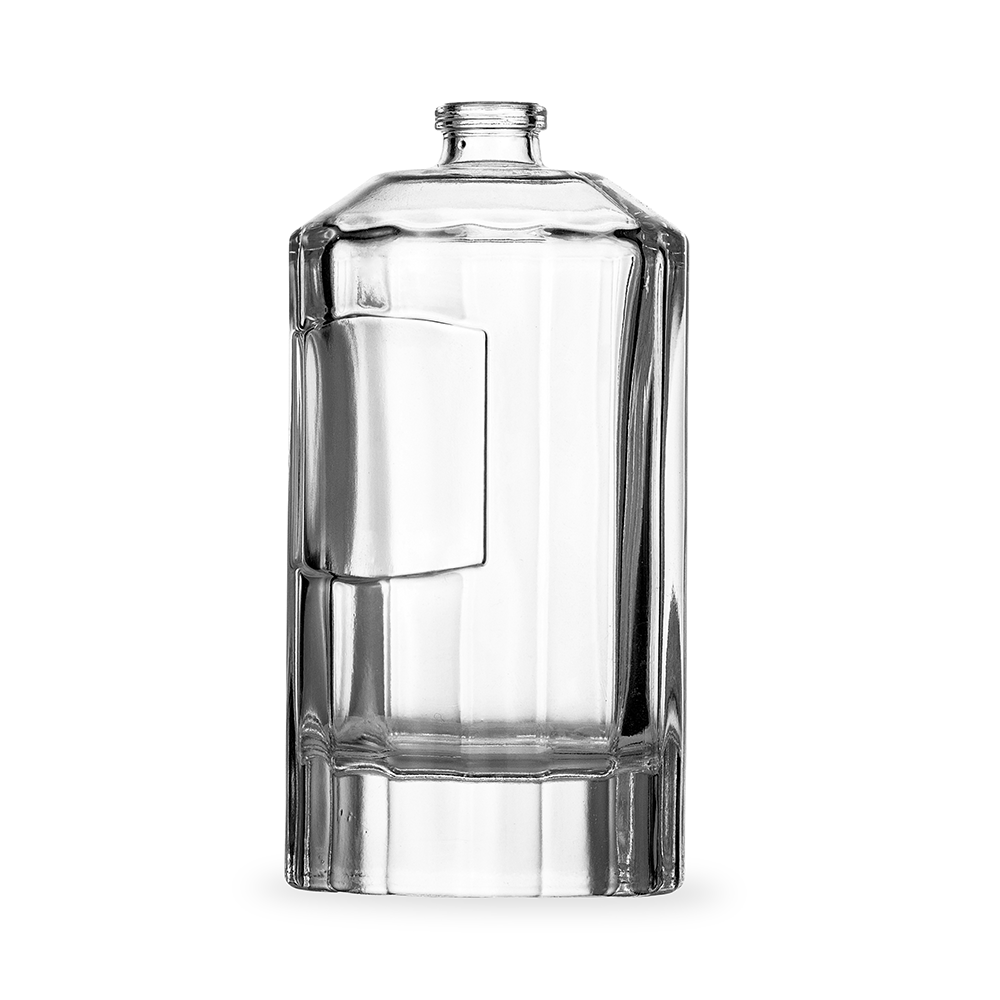
A custom perfume bottle is a fragrance container engineered to a brand's own specification — silhouette, capacity, glass, weight, neck finish, decoration and closure — rather than picked unchanged from a supplier's open catalogue. It spans three tiers: a stock bottle carrying your decoration, a semi-custom build that swaps the cap or coating, and a fully custom bottle cut from a private mould. The tier you pick sets your minimum order, tooling budget and launch date. Founders arrive with a sketch and the word "custom"; suppliers hear three different things. A bottle is custom to the degree that decisions normally made by the factory are made by you: silhouette, capacity, glass, weight, neck finish, decoration and closure. Choose all of them and you have a bespoke flacon. Choose one — a printed logo on a shape the factory already owns — and you have a decorated stock bottle. Also respectable, but a different commercial animal. Ranges vary by factory and mould cavitation. Get one answer in writing: who owns the mould, and will it be sold to anyone else? A perfume bottle is a system, not an object. Six components must agree to within fractions of a millimetre — and are often made by three different factories. When a sample leaks, the glass is rarely the culprit — it is usually a mismatch between neck outer diameter and the crimp jaws on the filling line. Validate the assembled sample on the actual crimping machine before releasing production. Most first launches should not open a mould. A launch date is worth more than an exclusive silhouette before demand is proved. Glass is where "premium" is physically made. Standard flint soda-lime glass carries about 0.04–0.06% iron oxide, visible as a faint green edge in a heavy base. Extra-flint uses low-iron sand at ≤0.02% Fe2O3 and passes more than 91% of light, so the juice colour reads true — 15–25% more expensive, but effectively mandatory for near-colourless liquids. Weight works the same way: a thick base adds grams, and grams read as quality in the hand — but they also add freight cost and change drop-test behaviour. Maximum clarity is not always right. Citrus-heavy or natural-heavy formulas degrade faster in clear glass — amber or an opaque coating buys shelf life at the cost of showing the juice. FEA (Fédération Européenne des Aérosols) defines the crimp neck dimensions perfume pumps are built around. Treat the neck as a house foundation: off by a fraction of a millimetre and the roof leaks. Crimp vs. screw. Crimp systems press a metal ferrule permanently onto the glass — the retail default, since customers are not meant to remove it. Screw systems thread on and off, which refillable and travel formats need. They are not interchangeable: a screw finish requires at least 2.5 full threads of engagement, an alcohol-rated gasket, and a dip tube that stays attached when the consumer unscrews it. Decoration is where brand identity lives — and where budgets quietly double. Every process adds unit cost, production days and, sometimes, a failure mode. Don't confuse frosting with matte paint: frosting is acid-etched into the glass and permanent, matte paint is a layer that wears. And run a 72-hour alcohol-vapour test on any decorated sample — coatings that look perfect at the factory can haze after a month in a sealed carton. The case is arithmetic, not vanity. Independent fragrance is the fastest-moving part of beauty, and packaging does a disproportionate share of the work. A distinctive bottle delivers four things a catalogue cannot: Timelines slip when brands plan for production and forget engineering. Total: roughly 90–120 days for a fully custom decorated bottle; 25–40 days for stock plus decoration. Expect US$0.35–0.90 per unit for stock and US$2.00–5.00+ for fully custom at moderate volumes. Perfume is the hardest cosmetic product to contain: 80%+ ethanol is volatile, aggressive to plastics and unforgiving of a bad seal. Write these into your purchase order. Also plan a filling-line trial. Pumps that hand-crimp beautifully can produce wrinkled collars at speed, because crimp head setting, neck tolerance and ferrule interact differently in production. If you sell into the EU, three things matter now. Three practical moves: prefer mono-material, easily separated assemblies; specify water-based or VOC-free coatings and ask for the MSDS; and if you want a refill story, engineer it — precision threads, an alcohol-rated gasket and a dip tube that survives 20–30 open/close cycles. Send this and your quotes become comparable. Decorated stock bottles commonly start at 1,000–3,000 pieces; semi-custom with a new cap or coating sits around 3,000–5,000; a private mould typically starts at 5,000 and often 10,000–30,000, because tooling and the furnace colour change must be amortised. Budget US$3,000–12,000 for a multi-cavity steel production mould. Prototype aluminium moulds are cheaper but limited in shot life. Confirm in the contract that the mould is your property and will not be used for other clients. FEA 15 is a 15 mm crimp neck finish defined by the European Aerosol Federation. It means the bottle accepts any standard 15 mm crimp pump without custom tooling — sourcing flexibility, lower cost and a shorter lead time. Plan 90–120 days for a fully custom decorated bottle from brief to delivered goods. Stock shapes with custom decoration run about 25–40 days; pilot-mould sampling alone takes 15–20 days. Start with the spec sheet above, even if half the answers are "not sure yet". A supplier worth working with will tell you which blanks are safe to leave open — and which will cost you a month if you change them later. Cost, MOQ and lead-time figures are industry ranges compiled from these sources and our own production experience — planning guides, not quotations. Low-MOQ flexibility, REACH-compliant glass, private mould development and full decoration — made for niche and indie fragrance brands.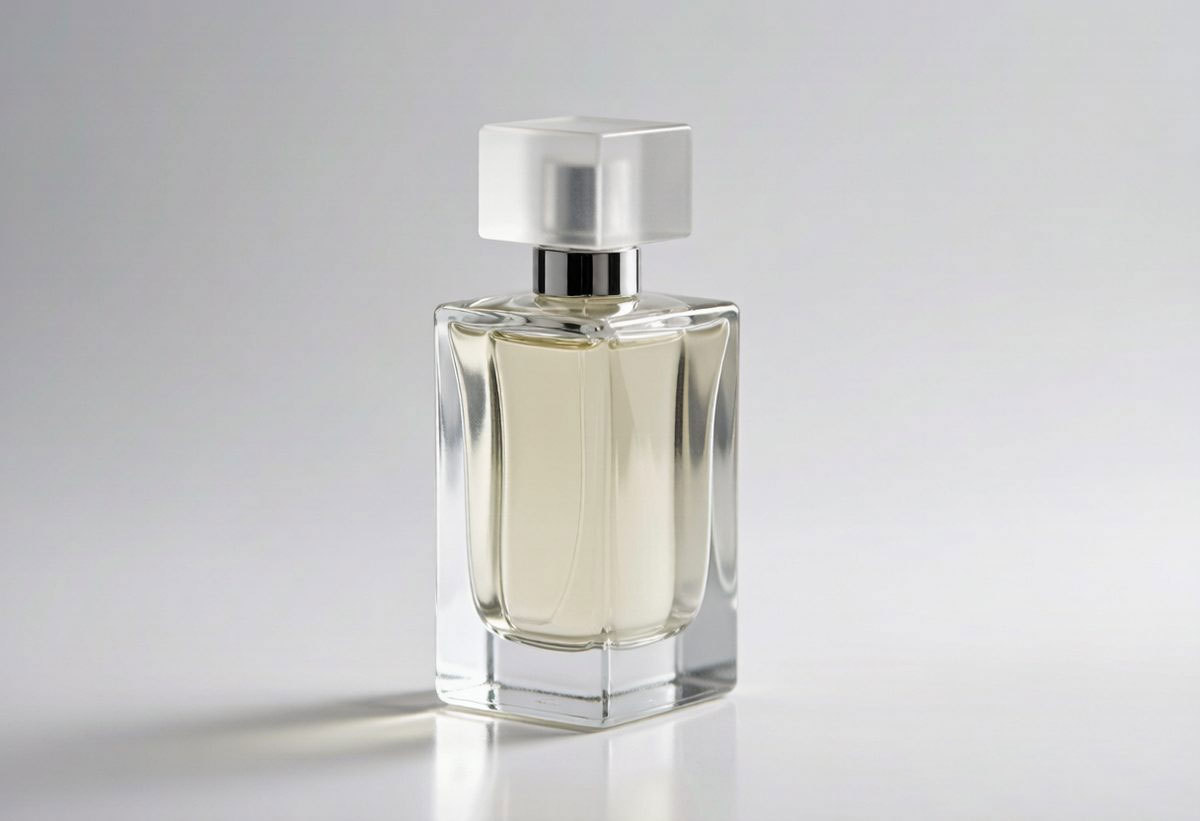
1. What Exactly Counts as a "Custom" Perfume Bottle?
Tier
What's new to your brand
Typical MOQ
Upfront tooling
Stock
Colour, coating, print, carton
1,000–5,000 pcs
None
Semi-custom
Cap design, plating, gradient, collar
1,000–5,000 pcs
US$500–1,500
Fully custom
Entire silhouette, private mould
5,000–30,000+ pcs
US$3,000–12,000
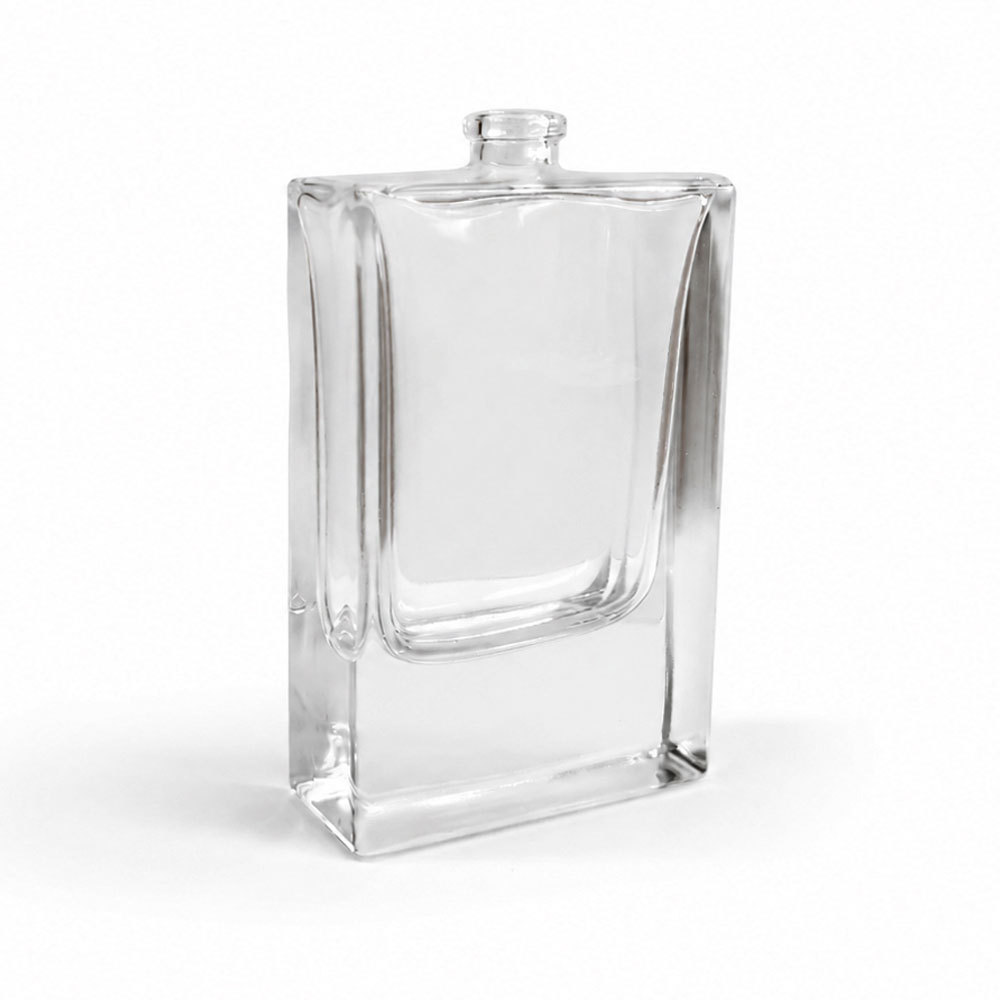
2. The Six Parts That Make a Custom Perfume Bottle
Part
Job
What goes wrong
What you can specify
Bottle body
Holds the juice, carries the silhouette
Uneven walls, seams, green tint in thick sections
Capacity, profile, base thickness, weight
Neck finish
Sealing interface for pump or cap
Out-of-round neck → slow, invisible evaporation
FEA 11 / 13 / 15 / 18 / 20, or screw thread
Collar / ferrule
Clamps pump to neck, hides the joint
Wrinkled collar, collar lift in transit
Material, height, plating, colour match
Pump / atomiser
Delivers a measured, repeatable mist
Hard press, spitting, wrong dose, dip tube fallout
Dosage (70 / 100 / 120 µl), spray angle, actuator
Cap
First tactile impression, protects actuator
Cap slips when lifted, plating tarnishes
Zamac, wood, aluminium, magnetic; pull force
Decoration
Carries the brand on shelf and on camera
Ink softens under alcohol vapour, foil scuffs
Frosting, spray, screen print, hot stamp, engraving
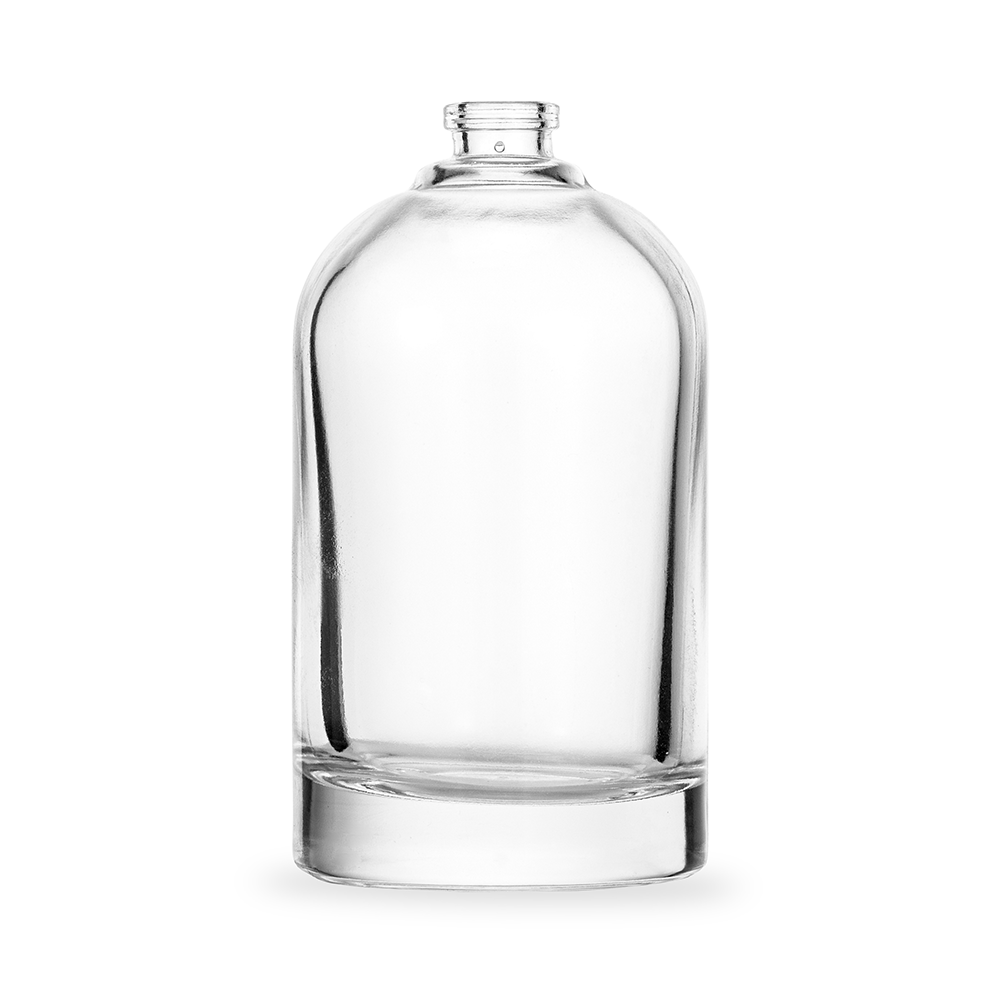
3. Custom vs. Stock vs. Semi-Custom: Which Route Fits Your Launch?
Scenario
Sensible route
Why
New niche brand, 1,000–3,000 units
Stock body + coating + print + carton
Protects cash and the launch window
Premium gifting line
Heavy clear or coloured body + Zamac cap + gold collar
Shelf presence comes from weight and metal, not a new mould
Hotel, corporate or event programme
30 ml stock geometry + logo decoration
Replenishment continuity beats exclusivity
Established brand building a hero SKU
Private mould
The shape becomes a protectable brand asset
4. Choosing the Glass: Clarity, Weight and Colour
5. Neck Finishes: FEA 13, 15, 18 and Why ±0.2 mm Matters
FEA size
Crimp dia.
Typical capacity
Notes
FEA 11
~11.0 mm
1–10 ml
Sample vials, discovery sets
FEA 13
~13.0 mm
15–30 ml
Travel sizes; pump tilts if crimp pressure is uneven
FEA 15
~15.0 mm
30–100 ml
Industry default. Hold the neck to ±0.2 mm or better
FEA 18 / 20
~18 / 20 mm
100 ml+
Heavy flacons, home fragrance; higher collar buckling risk
6. Decoration Options: Cost and Durability
Method
Effect
Add-on / pc
Extra days
Durability
Screen printing
Logo, text, solid graphics
US$0.10–0.25
5–7
High — best value
Hot stamping
Metallic gold / silver foil
US$0.25–0.50
5–8
Medium — needs a flatter surface
Frosting / acid etching
Matte, velvet touch
US$0.15–0.35
5–7
Very high — permanent
Colour / gradient spray
Any Pantone, gradients
US$0.20–0.45
7–10
Medium — chips at neck and base
Vacuum metallisation
Chrome or mirror gold
US$0.30–0.60
10–12
High, but test against alcohol vapour
Emboss in mould
Raised or recessed logo
High (mould cost)
In mould time
Permanent — most durable
7. Why Niche Brands Actually Choose Custom
8. From Brief to Pallet: Timeline and Budget
9. Quality Checks That Prevent Leaks and Returns
Test
Method
Acceptance criterion
Neck dimensional check
Caliper / go–no-go gauge
15.0 ± 0.15 mm for a 15 mm crimp
Crimp retention
Tensile pull on the collar
≥ 40 N
Evaporation rate
Filled bottle, 25 °C, 30 days
Weight loss ≤ 0.5%; above 1.0% means re-engineer
Formula compatibility
30–60 days filled storage
No haze, swelling, cracking or odour transfer
Alcohol resistance of decoration
72 h at 80% ethanol vapour
No softening, no colour change
Drop test
1.0–1.2 m onto steel, three orientations
Agreed AQL; zero seal failures after vacuum re-check
10. Compliance and Sustainability: REACH, PPWR, Refill-Ready Design
11. A Spec Sheet You Can Send to Any Supplier
12. Frequently Asked Questions
What is the minimum order for a custom perfume bottle?
How much does a custom perfume bottle mould cost?
What does FEA 15 mean?
How long does a custom project take?
Ready to Define Your Own Bottle?